

Four centuries of Intellectual and Reformist Endeavors
From the legacy of Shah Waliullah to the voice of Dr. Israr Ahmad, the journey for an Islamic awakening shaped Pakistan’s soul. Shubban-ul-Muslimeen carries that torch, a living link in the chain that has always stood for Islam.
Tracing the lineage
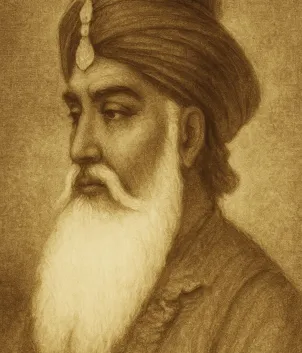
Shah Waliullah Dehlawi
Shah Waliullah Dehlavi was a towering Islamic scholar of the Indian subcontinent, respected across all major Sunni schools of thought. He produced the first Persian translation of the Qur’an, making its message accessible to the educated class of his time.
In his renowned work Hujjatullah al-Balighah, he eloquently explained the deeper wisdom behind Islamic teachings and acts of worship. His scholarship continues to inspire revivalist movements and Islamic seminaries across the region.
21 Feb 1703 - 20 Aug 1762
21 Feb 1703 - 20 Aug 1762
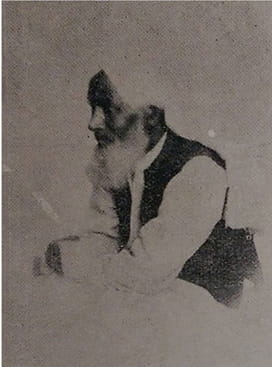
Sheikh ul Hind
Maulana Mehmood Ul Hassan
Mahmud al-Hasan, known as Shaykh al-Hind, was a unifying scholar respected across all major Sunni schools of the subcontinent. He served as the first President of Jamiat Ulama-e-Hind and played a leading role in the struggle against British rule, including the historic Silk Letter Movement, for which he endured imprisonment in Malta for four years despite his advanced age.A master of traditional Islamic sciences, he translated the Qur’an into Urdu and began its commentary, later known as Tafsir-e-Usmani. His scholarship, vision, and reformist spirit left a lasting impact on Islamic thought and the freedom movement.
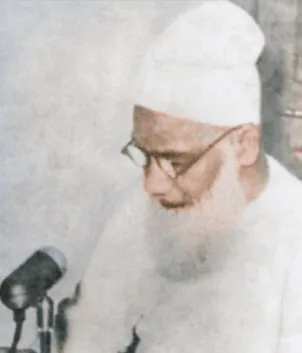
Maulana Shabbir Ahmed Usmani
Shabbir Ahmad Usmani was a distinguished scholar and dynamic leader who combined intellectual depth with active participation in the freedom movement. He completed the Qur’anic commentary begun by his teacher, Mahmud al-Hasan, writing explanatory notes for the remaining volumes. The translation and commentary became widely known as Tafsir-e-Usmani in his honor.
After the creation of Pakistan, he was entrusted by Quaid E Azam Muhammad Ali Jinnah to hoist the national flag in West Pakistan and later led Quaid E Azam’s funeral prayer, marking his significant role in the nation’s formative moments.
11 Oct 1887 – 13 Dec 1949
18 Nov 1863 – 11 Nov 1930
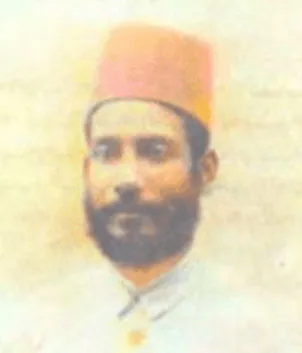
Maulana Hamiduddin Farahi
Hamiduddin Farahi was a devoted Qur’anic scholar whose life revolved around deep reflection on the Divine Book. His most significant contribution was articulating the concept of Nazm e-Qur’an (coherence of the Qur’an), presenting a profound and systematic understanding of its structure and unity.
He also laid the foundations of a renewed Islamic theology grounded purely in the Qur’an’s own arguments. A distinguished student of Shibli Nomani, Farahi’s writings were known for their simplicity, clarity, and strong reasoning, leaving a lasting impact on modern Qur’anic scholarship.
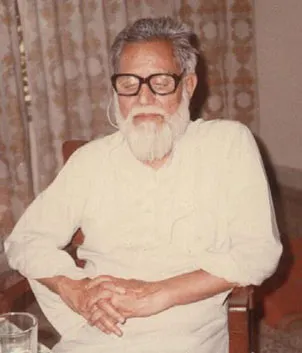
Maulana Amin Ahsan Islahi
Amin Ahsan Islahi was the direct disciple of Hamiduddin Farahi and a leading authority on Qur’anic studies. Advancing his teacher’s theory of Nazm-e-Qur’an, he authored Mabadi Tadabbur-e-Qur’an and later his monumental nine-volume commentary, Tadabbur-e-Qur’an.
An early member of Jamaat-e-Islami, he worked closely with Abul A’la Maududi in the movement for Islamic revival. His writings on da‘wah methodology, purification of the soul, and Qur’anic theology remain a rich intellectual and reformative legacy.
1904 – 15 Dec 1997
11 Nov, 1888 - 22 Feb, 1958
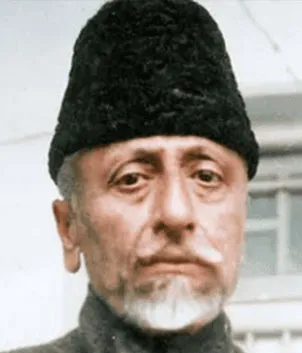
Maulana Abul Kalam Azad
Abul Kalam Azad was a multifaceted scholar, journalist, and political leader. Influenced by the thought of Allama Muhammad Iqbal, he passionately advocated the establishment of Divine governance and even founded a movement titled Hizbullah. He possessed a deep love for the Qur’an.
His eloquent Qur’anic exegesis, especially of Surah al-Fatiha, and his powerful journalism through Al-Hilal and Al-Balagh stirred intellectual and political awakening across India. His insight and leadership were so remarkable that senior scholars recognized in him the qualities of a visionary guide for the Ummah.
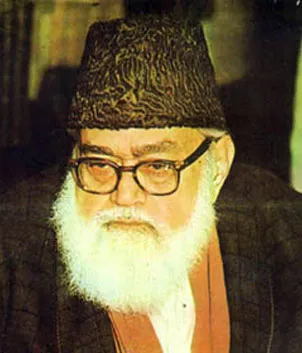
Maulana Abul Ala Maududi
Abul A’la Maududi dedicated his entire life to the establishment and supremacy of Islam. Drawing inspiration from Abul Kalam Azad and through his own profound scholarship, he authored Al-Jihad fi al-Salam at a young age, elucidating the true concept of jihad and the struggle for the triumph of Islam.
He founded Jamaat-e-Islami to realize the vision of Divine governance and systematically presented the concepts of Din and Faraiz-e-Din. Transforming Iqbal’s revolutionary poetic ideas into compelling prose, he became, in the words of Dr. Israr Ahmed, a “sociological thinker” par excellence. His monumental Qur’anic commentary, Tafhim al-Qur’an, brought countless Muslims back to the faith during a time of widespread Western influence, making his work a lasting legacy in Islamic scholarship.
25 Sept 1903 – 22 Sept 1979
9 Nov 1877 – 21 Apr 1938
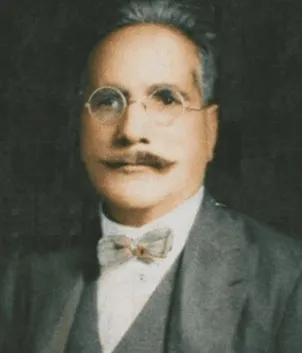
Allama Muhammad Iqbal
Allama Iqbal was a visionary poet, philosopher, and reformer whose influence shaped both the intellectual revival of Islam and the movement for Pakistan’s independence.
While he played a vital role in the struggle for freedom, the most defining aspect of his life was his dedication to the renaissance of Islam. His poetry, deeply rooted in Qur’anic thought, powerfully expressed Islam’s revolutionary message and awakened a new spirit among the Muslims of the subcontinent.
His ideas also inspired leading thinkers such as Abul A’la Maududi to actively work for Islamic revival. Iqbal’s legacy continues to inspire generations toward faith, self-awareness, and collective renewal.
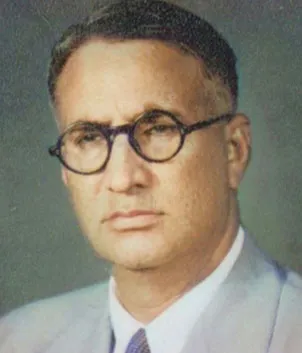
Dr Muhammad Rafiuddin
Muhammad Rafi-ud-Din was widely regarded as a distinguished interpreter of Allama Muhammad Iqbal. Through his scholarly works, he advanced Iqbal’s thought, presenting his poetic teachings in refined academic prose and rigorous research.
In his book Ideology of the Future, he argued with intellectual depth that only Islam possesses the strength to endure as the ideology of the future. He authored numerous works on Islamic revival, educational reform in Pakistan, Islamic philosophy, and the critique of anti-Islamic ideologies. His celebrated work Hikmat-e-Iqbal profoundly explains Iqbal’s teachings, especially his concept of Khudi, earning him the title “Shaareh-e-Iqbal”.
1 Jan 1904 – 29 Nov 1969
26 Apr 1932 – 14 Apr 2010
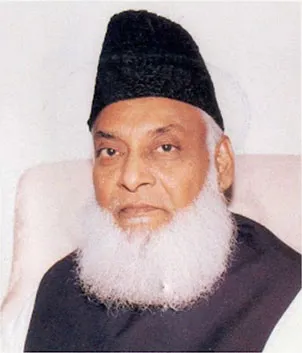
Dr. Israr Ahmed
Dr. Israr Ahmed needs little introduction. Drawing inspiration from the eight great scholars before him, he selectively absorbed their knowledge while critically engaging with their ideas. From revolutionary Islamic thought to the highest levels of faith, Qur’anic reflection, jurisprudence, and organizational challenges, he benefited directly or indirectly from all these luminaries. Regarding Tafsir-e-Usmani, he often said, “Through it, I remain connected to my predecessors,” and consistently relied on it in his Qur’an courses and Ramadan lectures.
His systematic contributions to Islamic scholarship and revival include:
1. Promoting the reading, teaching, and study of the Qur’an (Ruju’ al-Qur’an).
2. Explaining advanced philosophical and theological concepts in accordance with contemporary intellectual standards.
3. Refuting modern false philosophies, atheism, and materialism while contributing to contemporary Islamic theology.
4. Presenting Islam’s social, political, and economic vision—its revolutionary and sociological thought.
5. Educating Muslims on their religious duties and ongoing guidance and da‘wah.
6. Disseminating teachings on marriage and family life widely.
7. Clarifying the challenges of reformist and organizational life using Qur’an and Sunnah.
8. Advising the public and leaders on national challenges and solutions.
9. Proposing Qur’anic solutions to the decline of the Muslim Ummah with logical evidence.
10. Highlighting future challenges and opportunities for Islamic revival, including exposing global conspiracies such as the Jewish agenda.
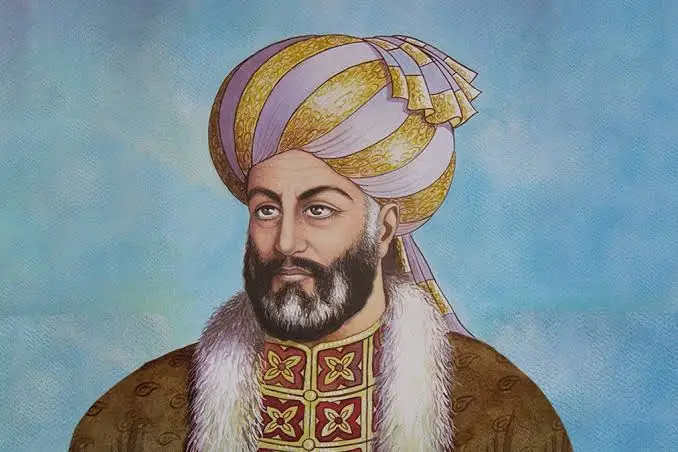
Shah Waliullah Dehlawi
Shah Waliullah Dehlavi was a towering Islamic scholar of the Indian subcontinent, respected across all major Sunni schools of thought. He produced the first Persian translation of the Qur’an, making its message accessible to the educated class of his time.
In his renowned work Hujjatullah al-Balighah, he eloquently explained the deeper wisdom behind Islamic teachings and acts of worship. His scholarship continues to inspire revivalist movements and Islamic seminaries across the region.
Sheikh ul Hind Maulana Mehmood Ul Hassan
Mahmud al-Hasan, known as Shaykh al-Hind, was a unifying scholar respected across all major Sunni schools of the subcontinent. He served as the first President of Jamiat Ulama-e-Hind and played a leading role in the struggle against British rule, including the historic Silk Letter Movement, for which he endured imprisonment in Malta for four years despite his advanced age.
A master of traditional Islamic sciences, he translated the Qur’an into Urdu and began its commentary, later known as Tafsir-e-Usmani. His scholarship, vision, and reformist spirit left a lasting impact on Islamic thought and the freedom movement.
Maulana Shabbir Ahmed Usmani
Shabbir Ahmad Usmani was a distinguished scholar and dynamic leader who combined intellectual depth with active participation in the freedom movement. He completed the Qur’anic commentary begun by his teacher, Mahmud al-Hasan, writing explanatory notes for the remaining volumes. The translation and commentary became widely known as Tafsir-e-Usmani in his honor.
After the creation of Pakistan, he was entrusted by Quaid E Azam Muhammad Ali Jinnah to hoist the national flag in West Pakistan and later led Quaid E Azam’s funeral prayer, marking his significant role in the nation’s formative moments.
Maulana Hamiduddin Farahi
Hamiduddin Farahi was a devoted Qur’anic scholar whose life revolved around deep reflection on the Divine Book. His most significant contribution was articulating the concept of Nazm e-Qur’an (coherence of the Qur’an), presenting a profound and systematic understanding of its structure and unity.
He also laid the foundations of a renewed Islamic theology grounded purely in the Qur’an’s own arguments. A distinguished student of Shibli Nomani, Farahi’s writings were known for their simplicity, clarity, and strong reasoning, leaving a lasting impact on modern Qur’anic scholarship.
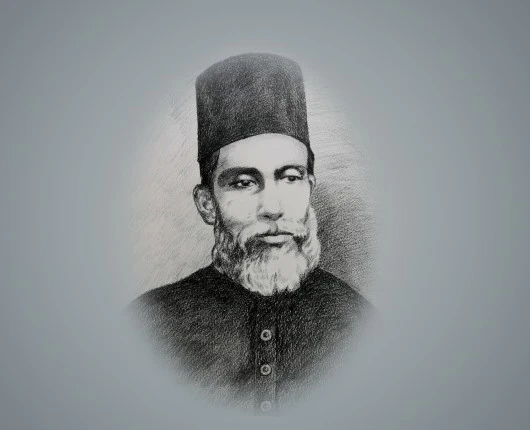
Maulana Amin Ahsan Islahi
Amin Ahsan Islahi was the direct disciple of Hamiduddin Farahi and a leading authority on Qur’anic studies. Advancing his teacher’s theory of Nazm-e-Qur’an, he authored Mabadi Tadabbur-e-Qur’an and later his monumental nine-volume commentary, Tadabbur-e-Qur’an.
An early member of Jamaat-e-Islami, he worked closely with Abul A’la Maududi in the movement for Islamic revival. His writings on da‘wah methodology, purification of the soul, and Qur’anic theology remain a rich intellectual and reformative legacy.
...
Maulana Abul Kalam Azad
Abul Kalam Azad was a multifaceted scholar, journalist, and political leader. Influenced by the thought of Allama Muhammad Iqbal, he passionately advocated the establishment of Divine governance and even founded a movement titled Hizbullah. He possessed a deep love for the Qur’an.
His eloquent Qur’anic exegesis, especially of Surah al-Fatiha, and his powerful journalism through Al-Hilal and Al-Balagh stirred intellectual and political awakening across India. His insight and leadership were so remarkable that senior scholars recognized in him the qualities of a visionary guide for the Ummah.
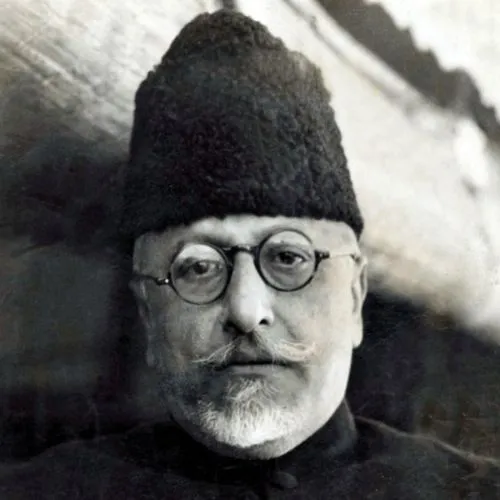
Maulana Abul Ala Maududi
Abul A’la Maududi dedicated his entire life to the establishment and supremacy of Islam. Drawing inspiration from Abul Kalam Azad and through his own profound scholarship, he authored Al-Jihad fi al-Salam at a young age, elucidating the true concept of jihad and the struggle for the triumph of Islam.
He founded Jamaat-e-Islami to realize the vision of Divine governance and systematically presented the concepts of Din and Faraiz-e-Din. Transforming Iqbal’s revolutionary poetic ideas into compelling prose, he became, in the words of Dr. Israr Ahmed, a “sociological thinker” par excellence. His monumental Qur’anic commentary, Tafhim al-Qur’an, brought countless Muslims back to the faith during a time of widespread Western influence, making his work a lasting legacy in Islamic scholarship.
Allama Muhammad Iqbal
Allama Iqbal was a visionary poet, philosopher, and reformer whose influence shaped both the intellectual revival of Islam and the movement for Pakistan’s independence.
While he played a vital role in the struggle for freedom, the most defining aspect of his life was his dedication to the renaissance of Islam. His poetry, deeply rooted in Qur’anic thought, powerfully expressed Islam’s revolutionary message and awakened a new spirit among the Muslims of the subcontinent.
His ideas also inspired leading thinkers such as Abul A’la Maududi to actively work for Islamic revival. Iqbal’s legacy continues to inspire generations toward faith, self-awareness, and collective renewal.
Dr Muhammad Rafiuddin
Muhammad Rafi-ud-Din was widely regarded as a distinguished interpreter of Allama Muhammad Iqbal. Through his scholarly works, he advanced Iqbal’s thought, presenting his poetic teachings in refined academic prose and rigorous research.
In his book Ideology of the Future, he argued with intellectual depth that only Islam possesses the strength to endure as the ideology of the future. He authored numerous works on Islamic revival, educational reform in Pakistan, Islamic philosophy, and the critique of anti-Islamic ideologies. His celebrated work Hikmat-e-Iqbal profoundly explains Iqbal’s teachings, especially his concept of Khudi, earning him the title “Shaareh-e-Iqbal”.
Dr. Israr Ahmed
Dr. Israr Ahmed needs little introduction. Drawing inspiration from the eight great scholars before him, he selectively absorbed their knowledge while critically engaging with their ideas. From revolutionary Islamic thought to the highest levels of faith, Qur’anic reflection, jurisprudence, and organizational challenges, he benefited directly or indirectly from all these luminaries. Regarding Tafsir-e-Usmani, he often said, “Through it, I remain connected to my predecessors,” and consistently relied on it in his Qur’an courses and Ramadan lectures.
His systematic contributions to Islamic scholarship and revival include:
Read More
1. Promoting the reading, teaching, and study of the Qur’an (Ruju’ al-Qur’an).
2. Explaining advanced philosophical and theological concepts in accordance with contemporary intellectual standards.
3. Refuting modern false philosophies, atheism, and materialism while contributing to contemporary Islamic theology.
4. Presenting Islam’s social, political, and economic vision—its revolutionary and sociological thought.
5. Educating Muslims on their religious duties and ongoing guidance and da‘wah.
6. Disseminating teachings on marriage and family life widely.
7. Clarifying the challenges of reformist and organizational life using Qur’an and Sunnah.
8. Advising the public and leaders on national challenges and solutions.
9. Proposing Qur’anic solutions to the decline of the Muslim Ummah with logical evidence.
10. Highlighting future challenges and opportunities for Islamic revival, including exposing global conspiracies such as the Jewish agenda.