
OUR JOURNEY
Convention 2025
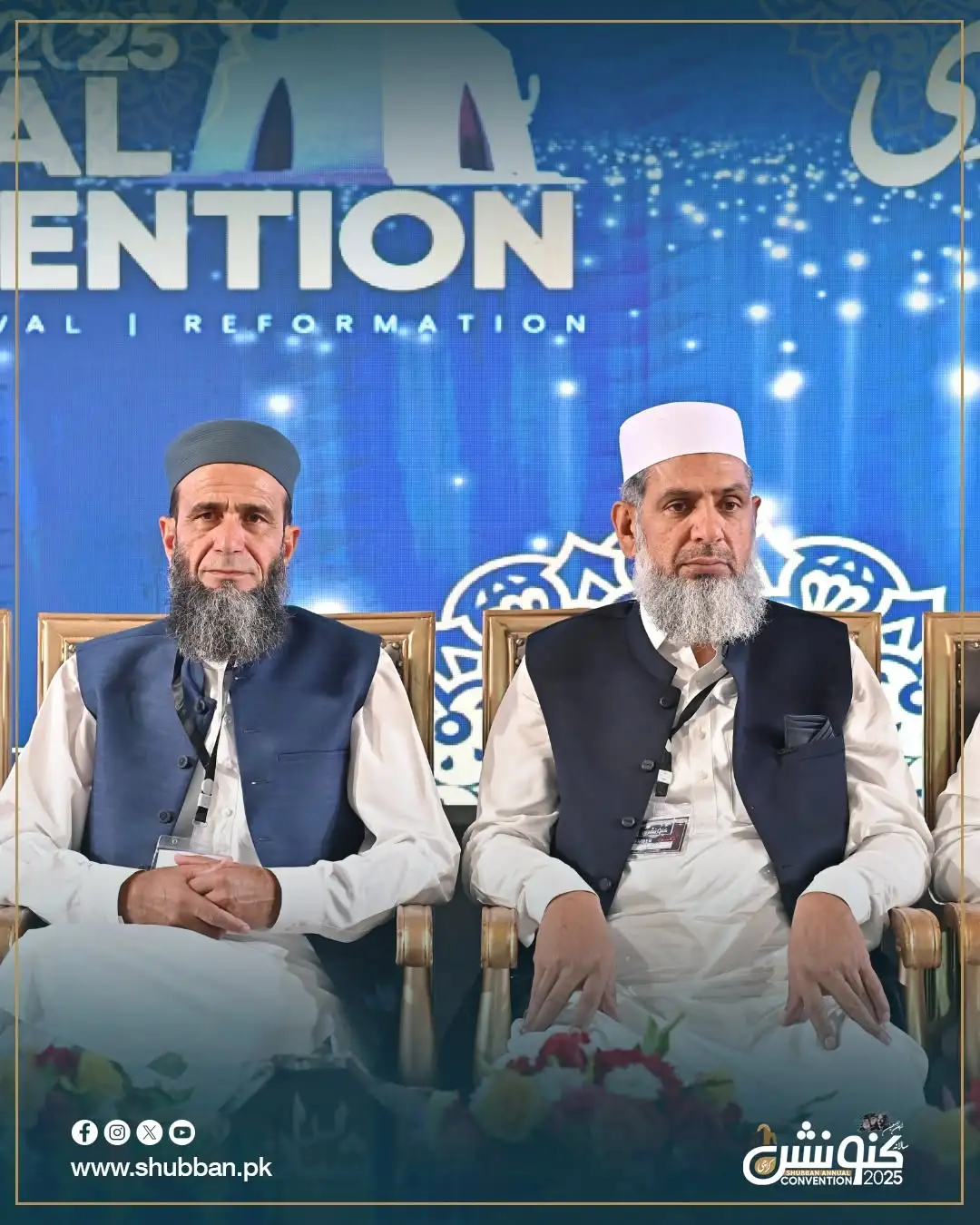
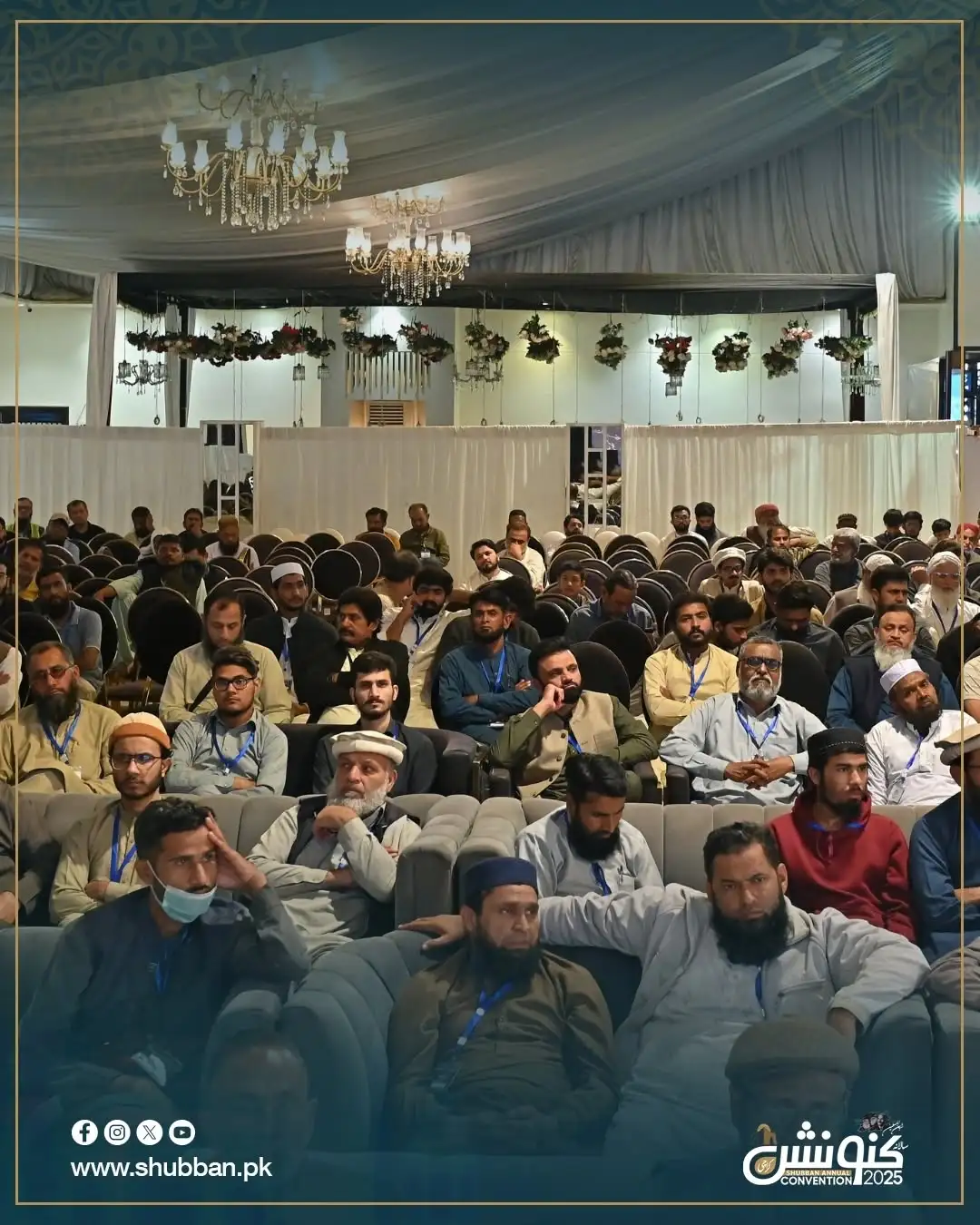
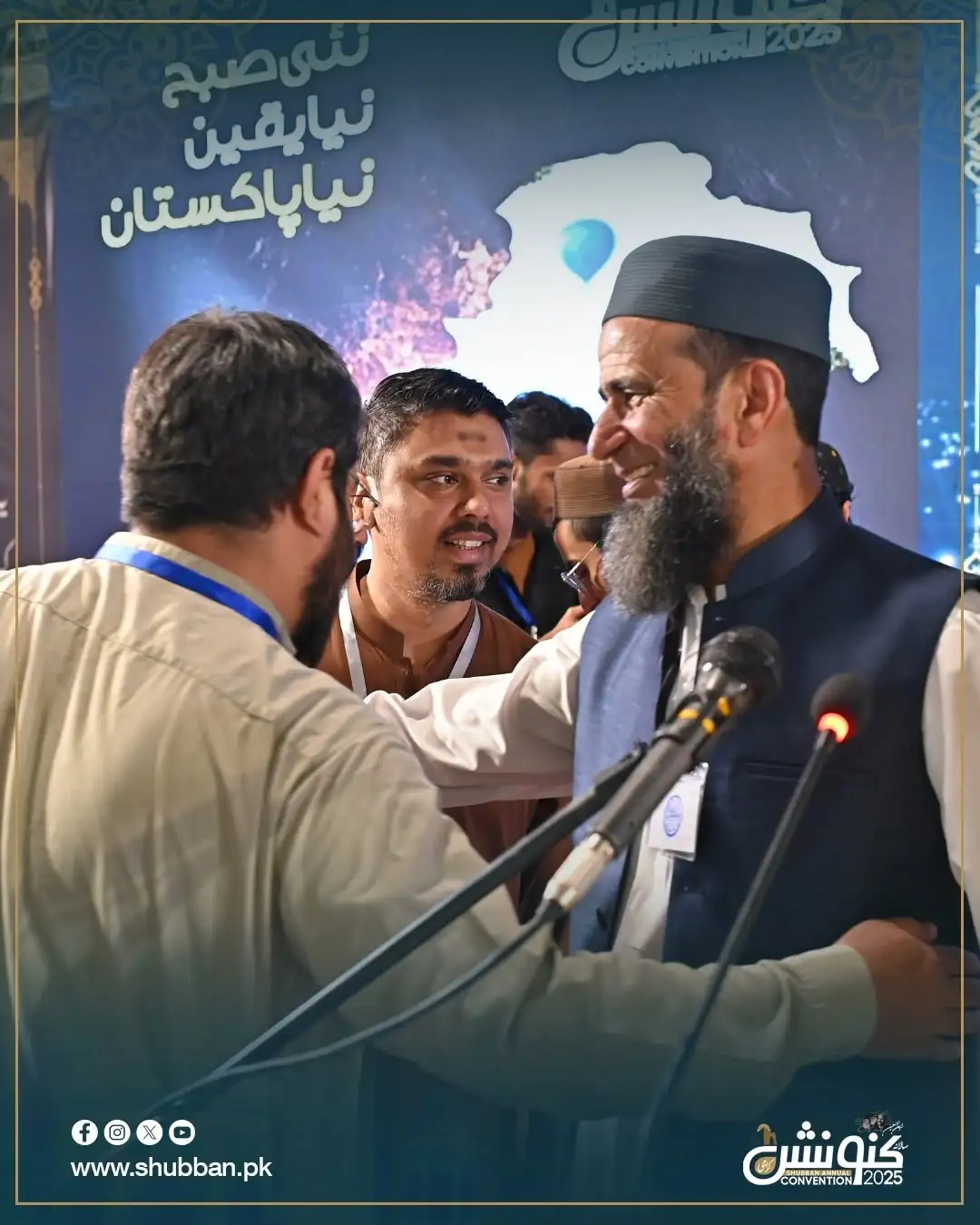
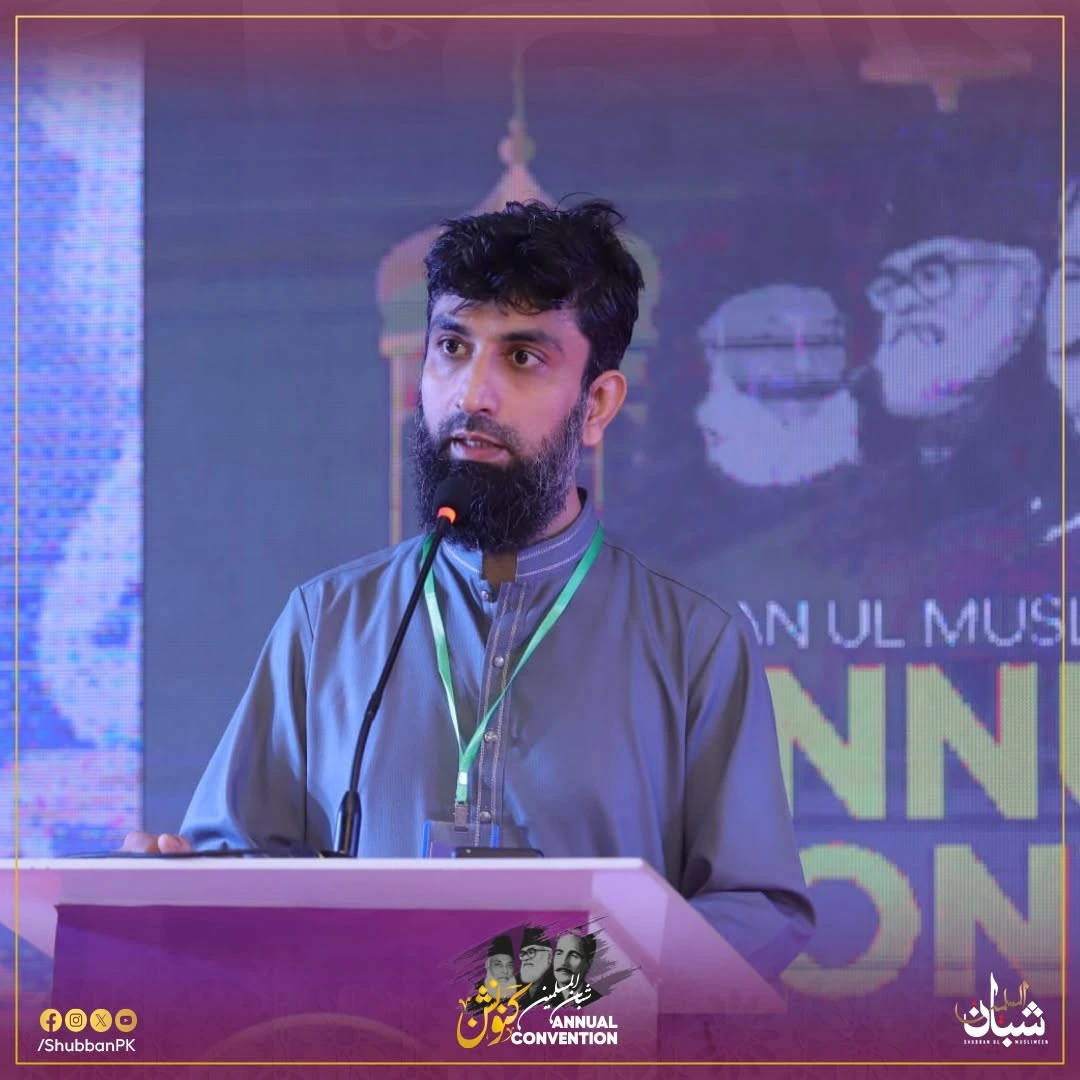
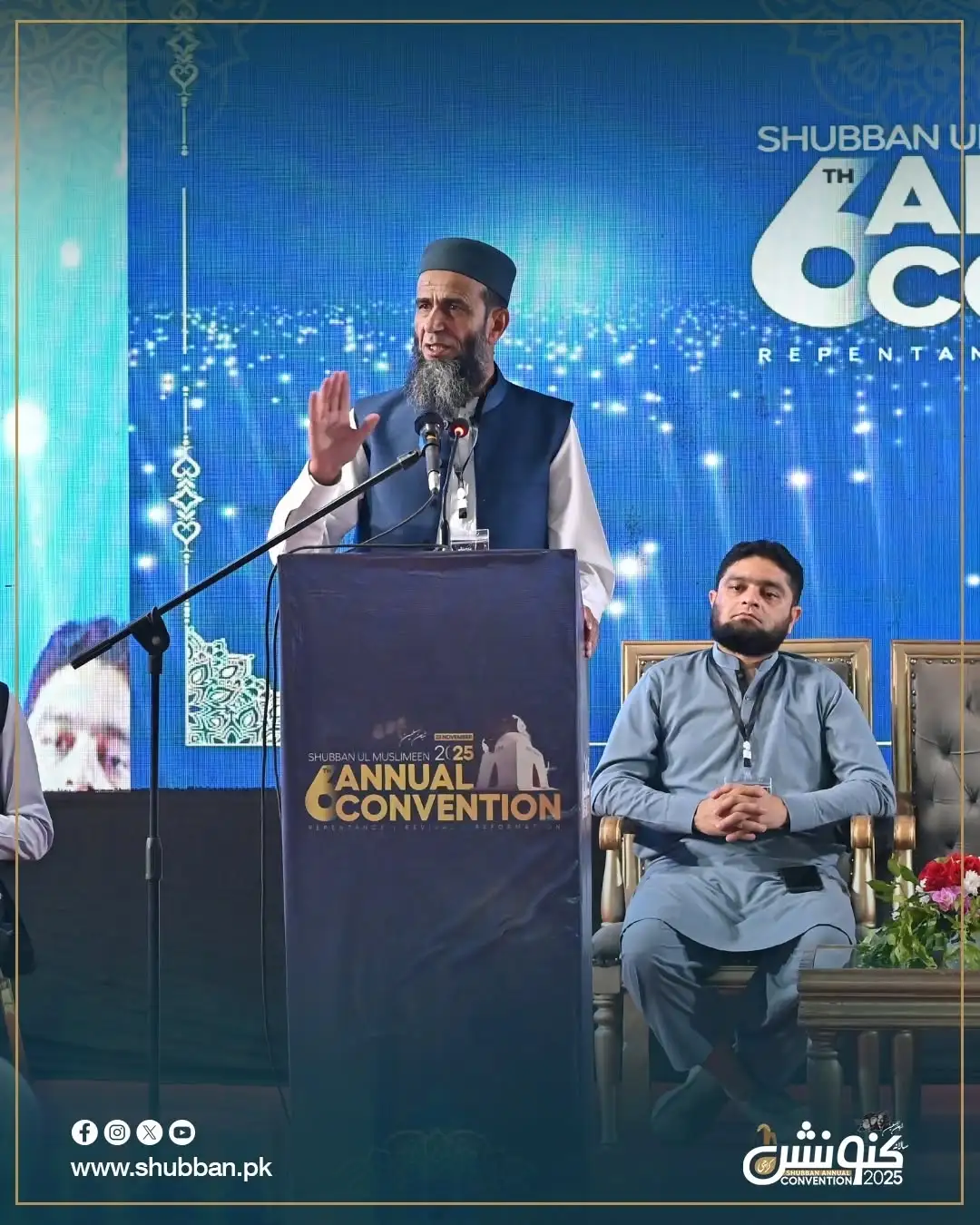
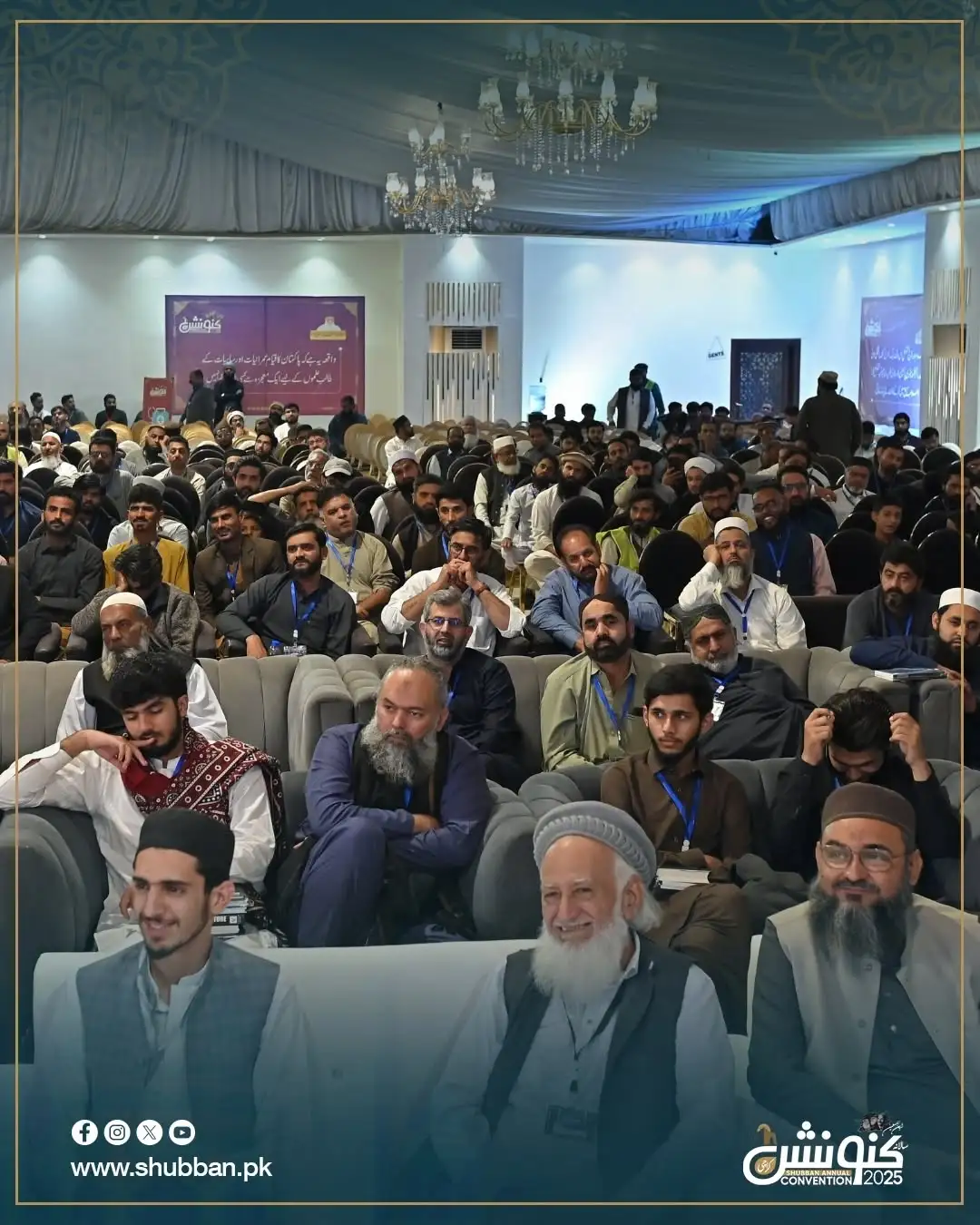
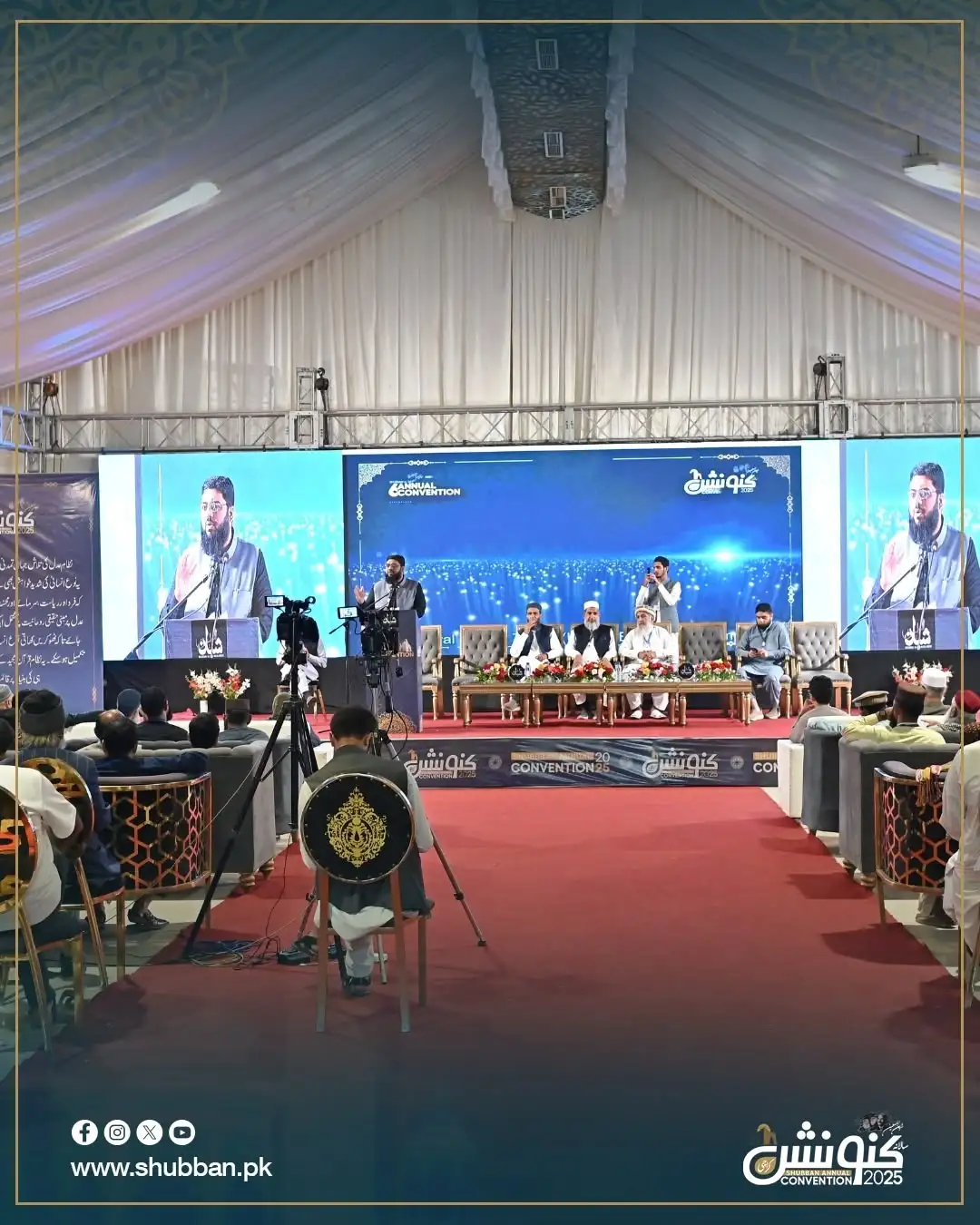
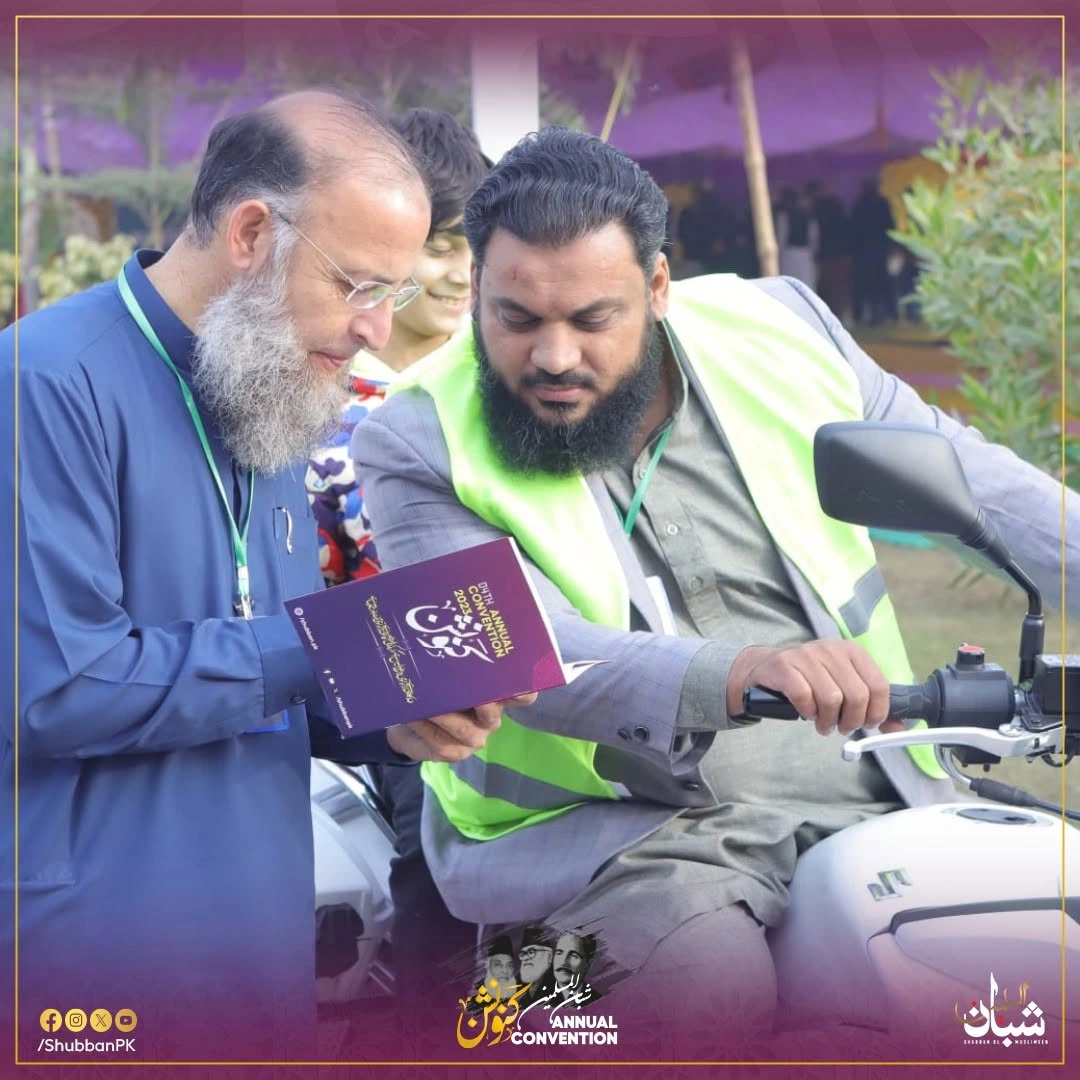
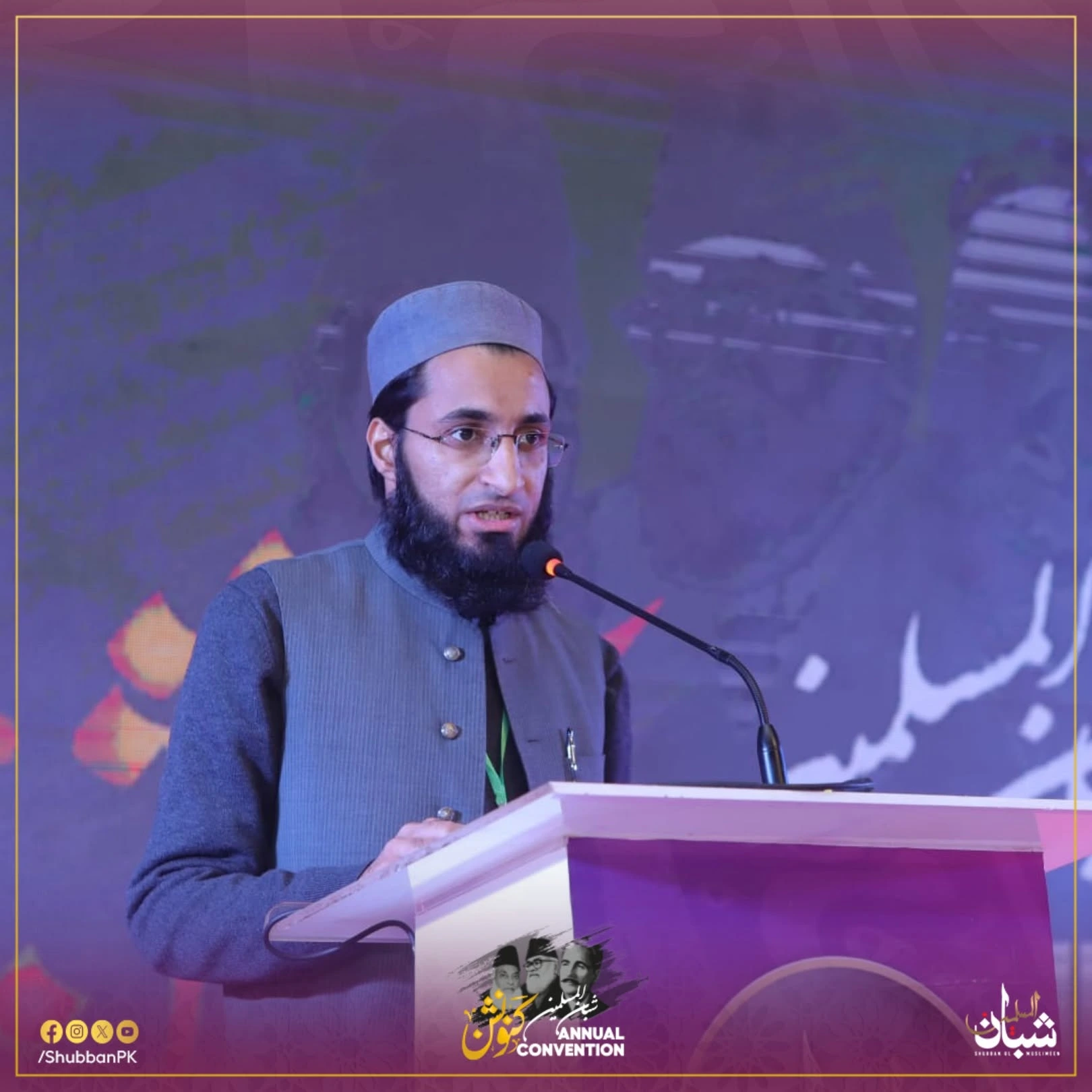
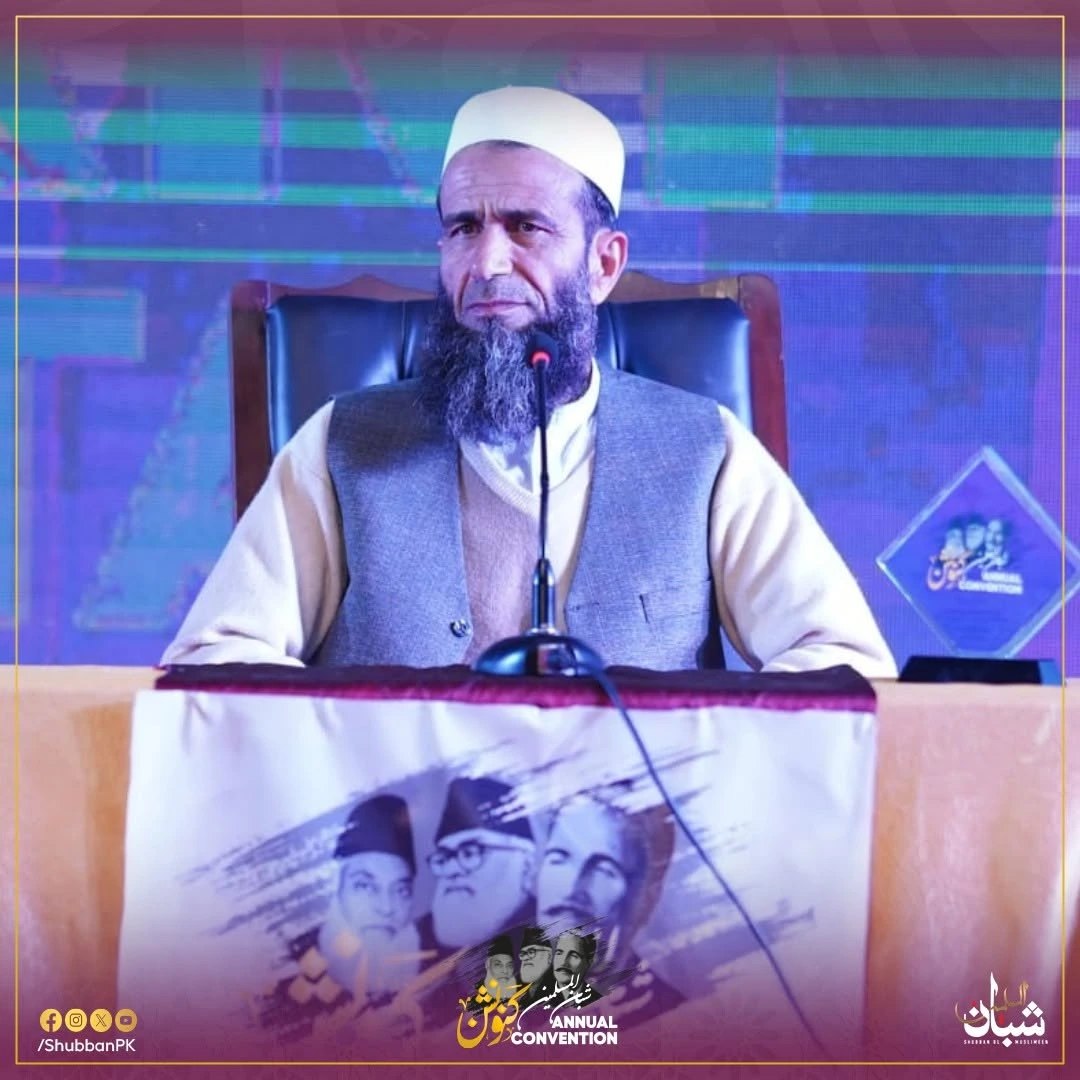
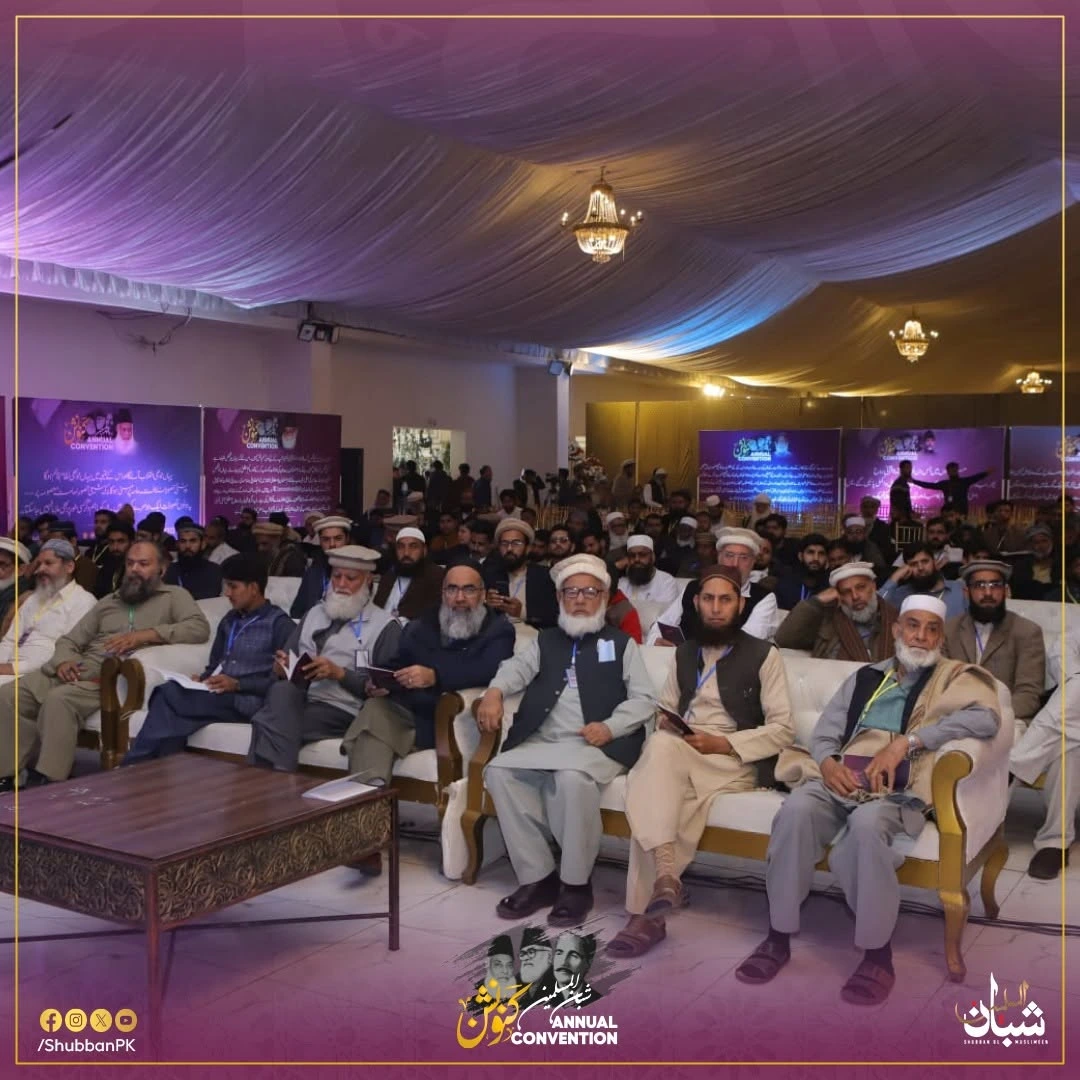
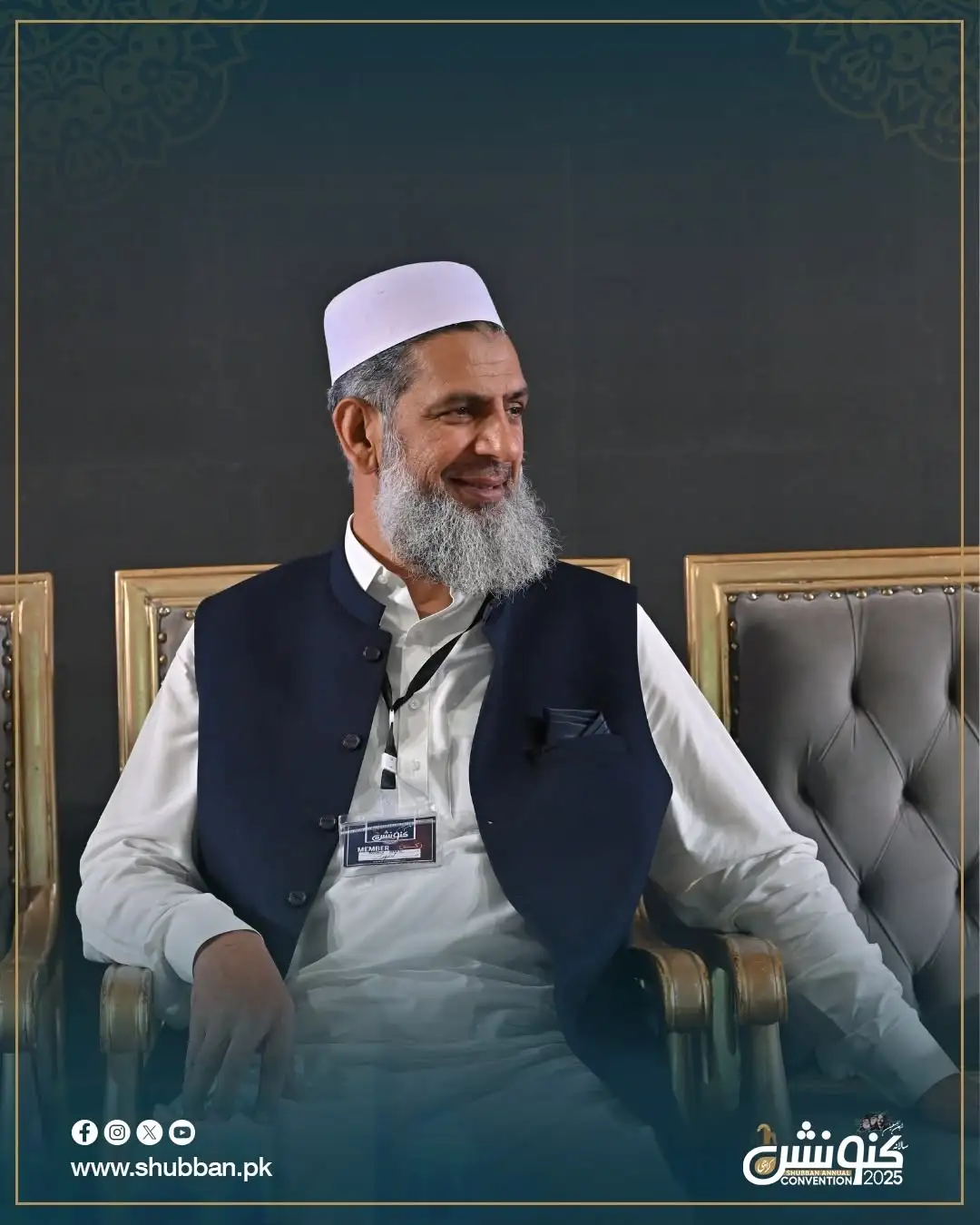
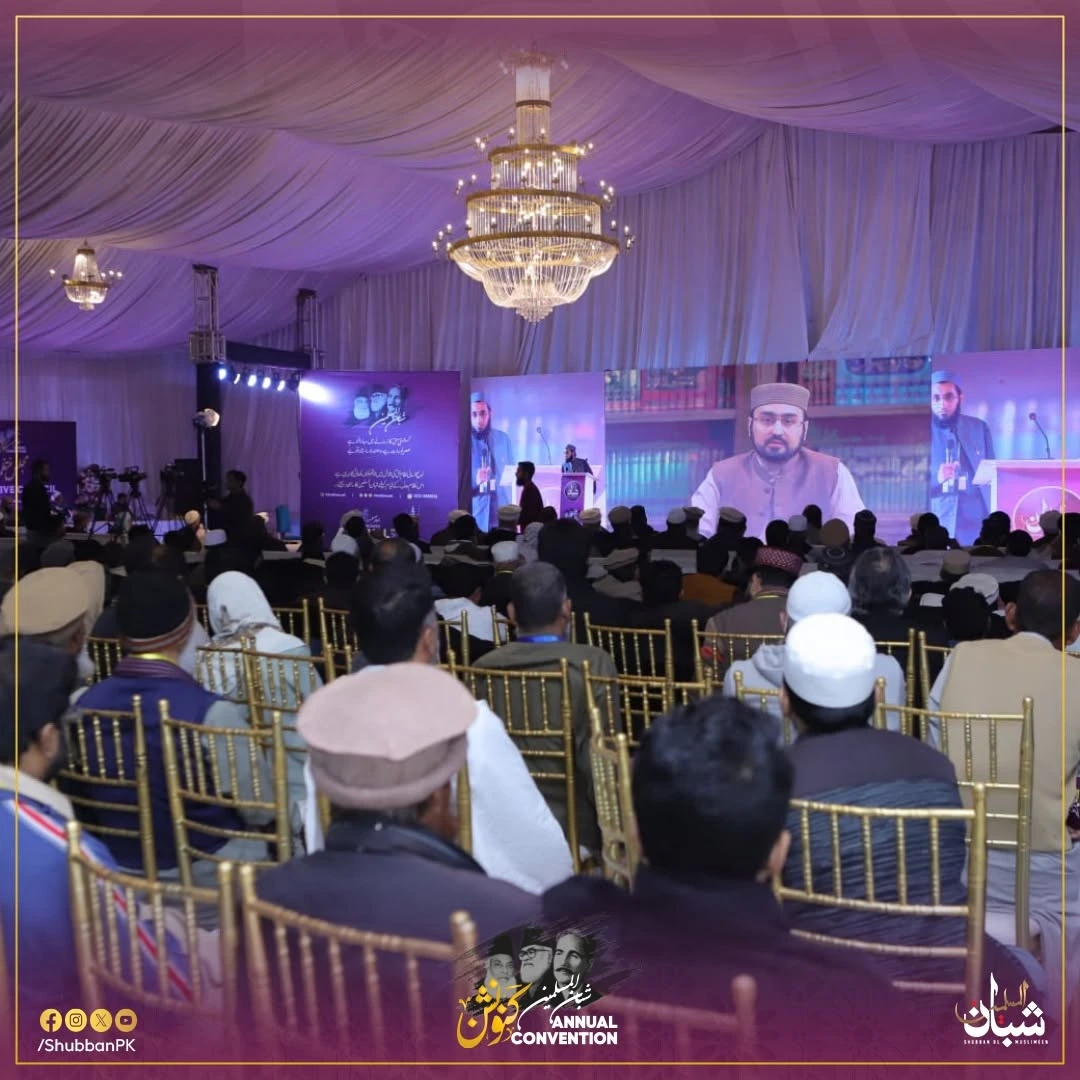
The 2025 Annual Convention of Shubban ul Muslimeen, held in Karachi brought together leading scholars from across Pakistan to address contemporary challenges facing the Muslim world. Through sessions on Pakistan’s intellectual history, civilizational development, and global justice, speakers rooted their analysis in the guidance of the Quran and Sunnah. The convention explored the role of Muslims and Pakistan in shaping a just global order and answering the question of humanity’s true inheritors of the earth. Marking a significant moment of unity, it gathered voices from multiple Islamic movements under a shared vision of revival and transformation.
Convention 2024
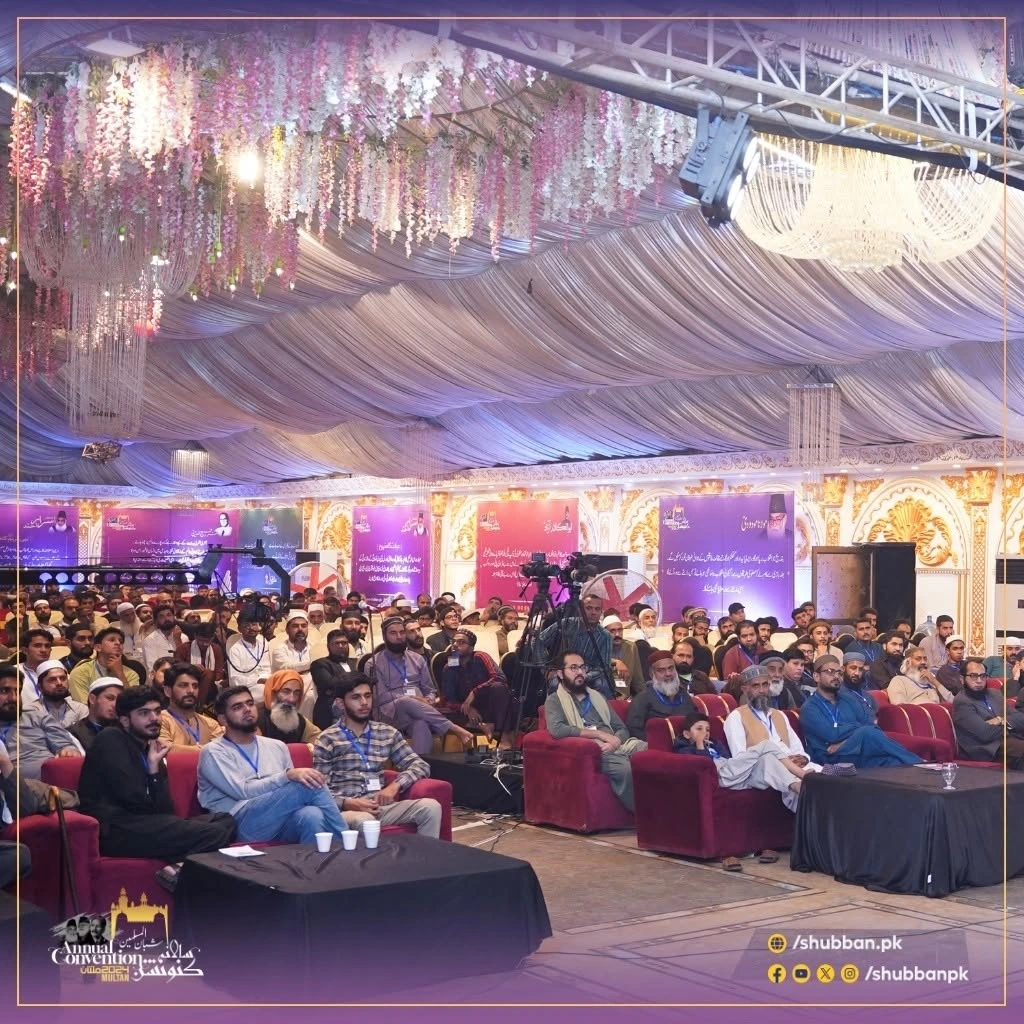
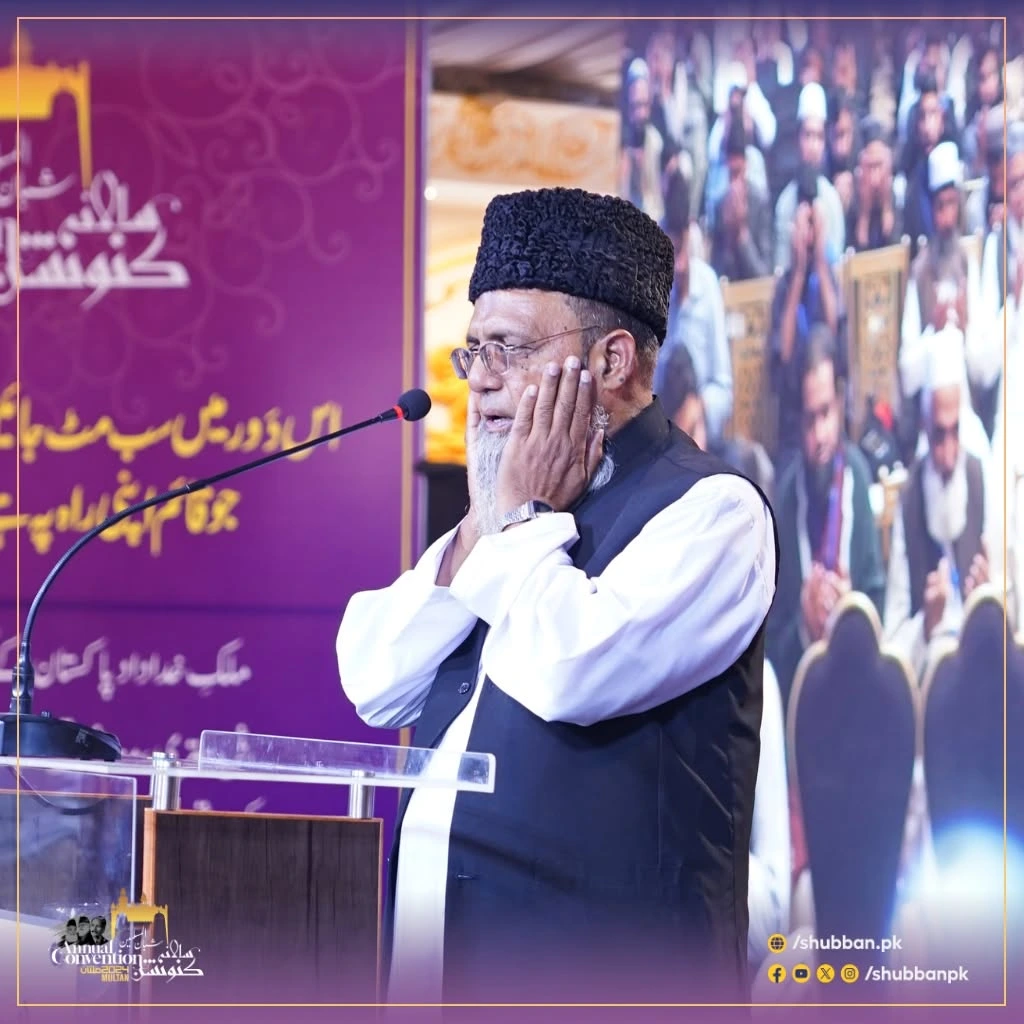
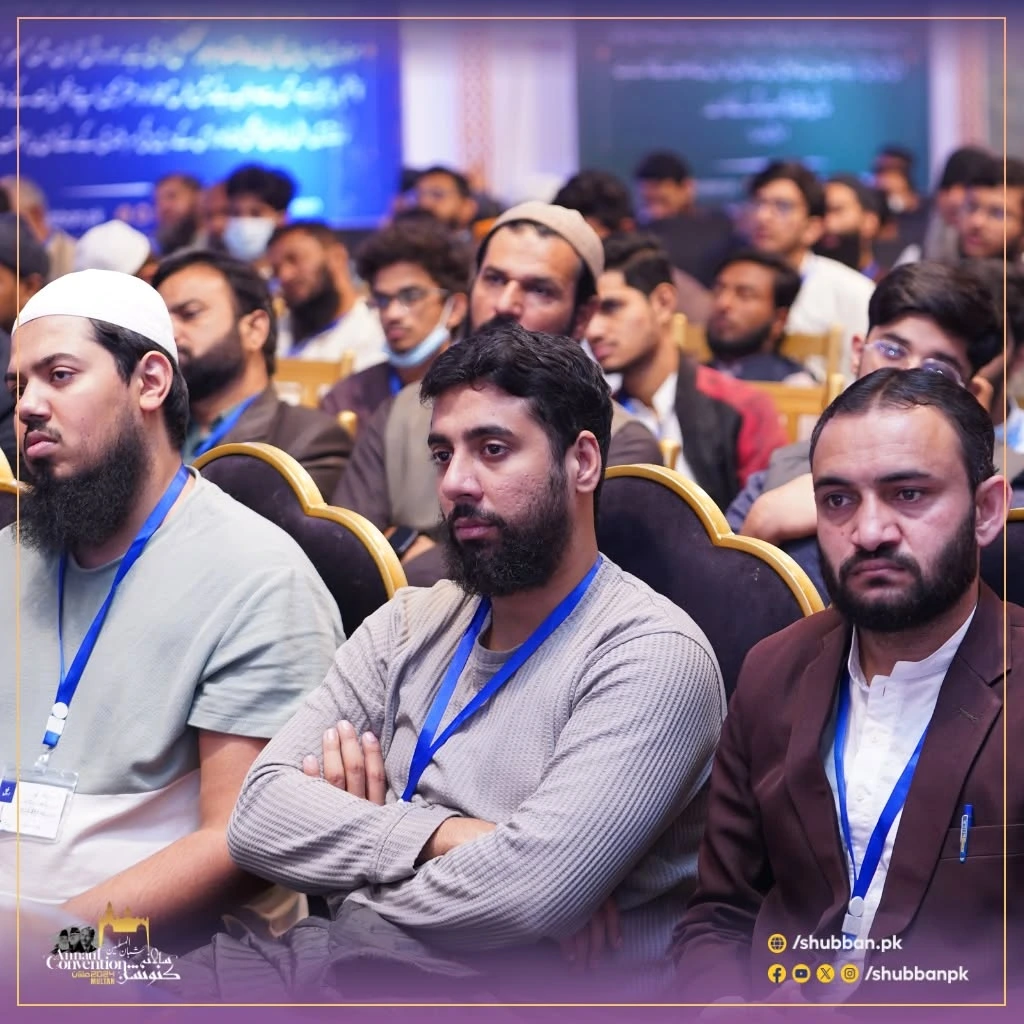
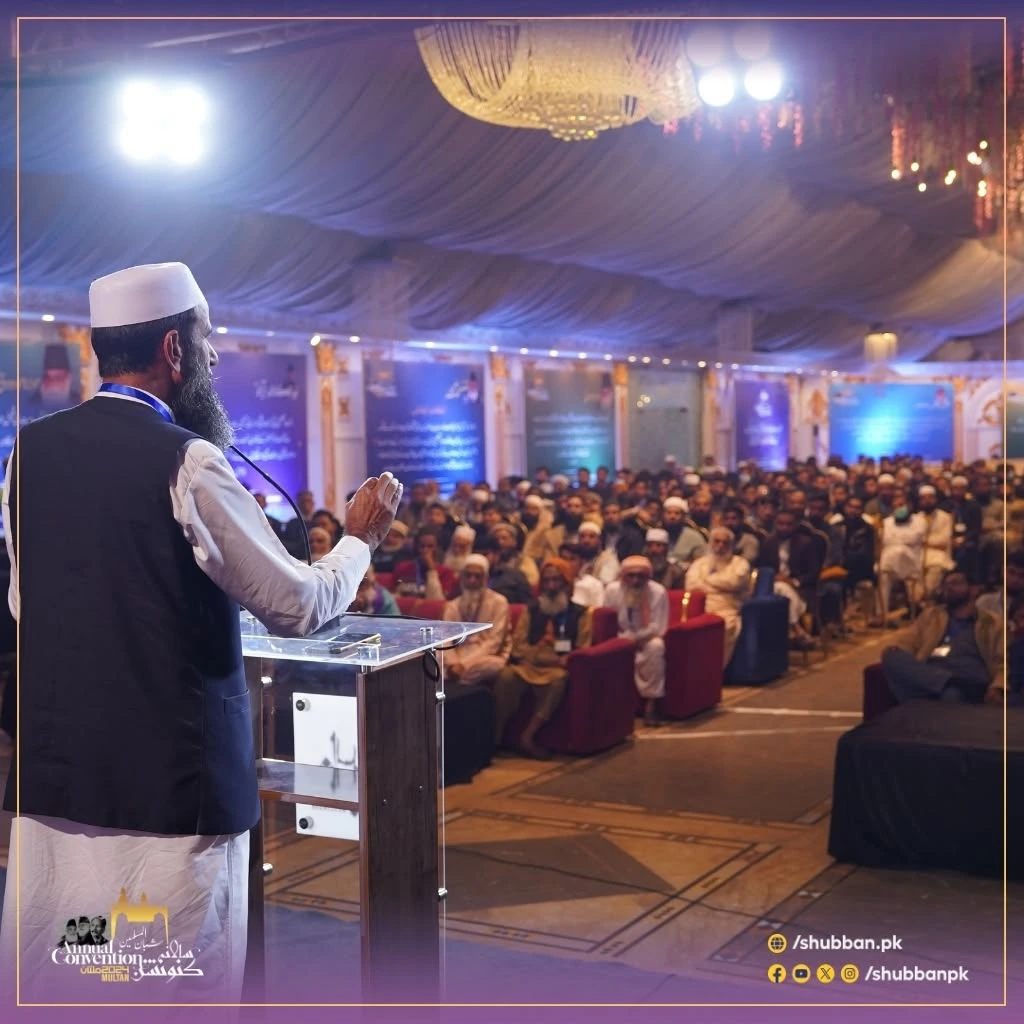
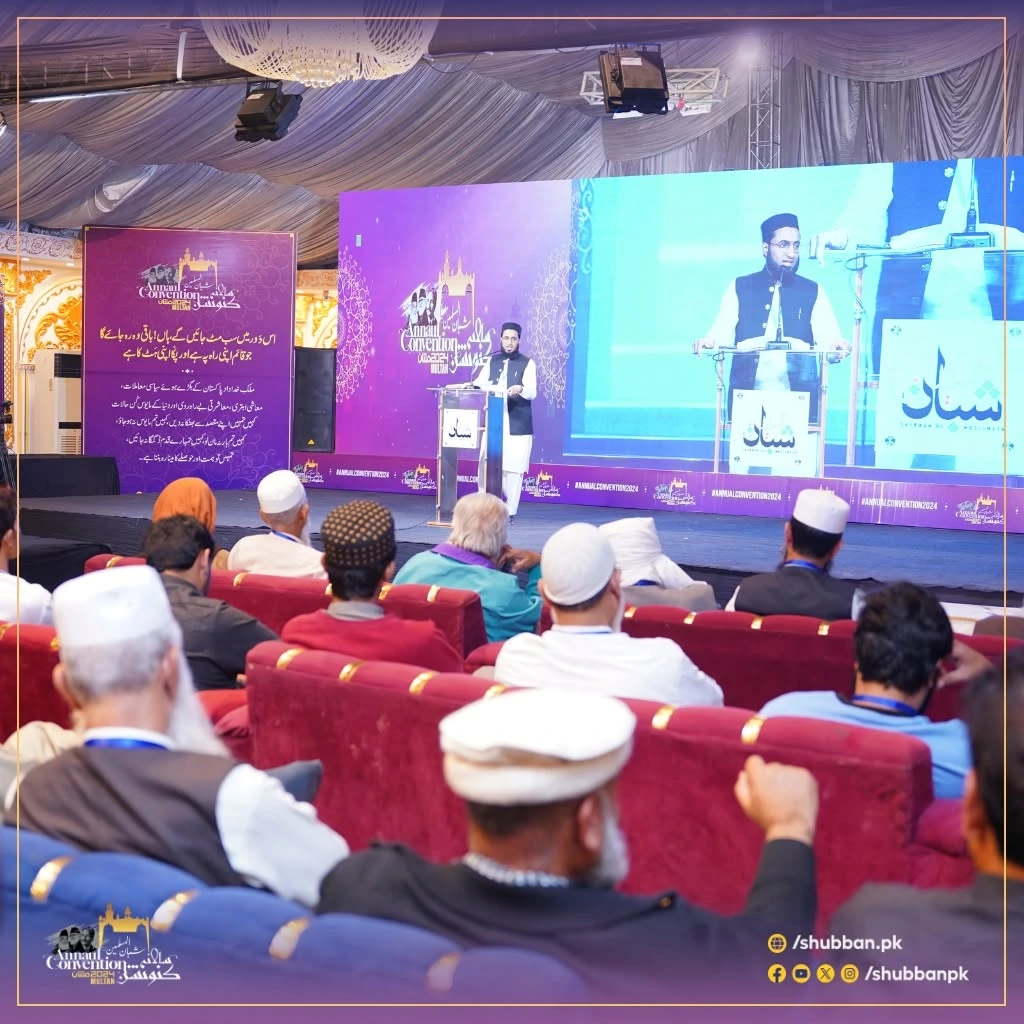
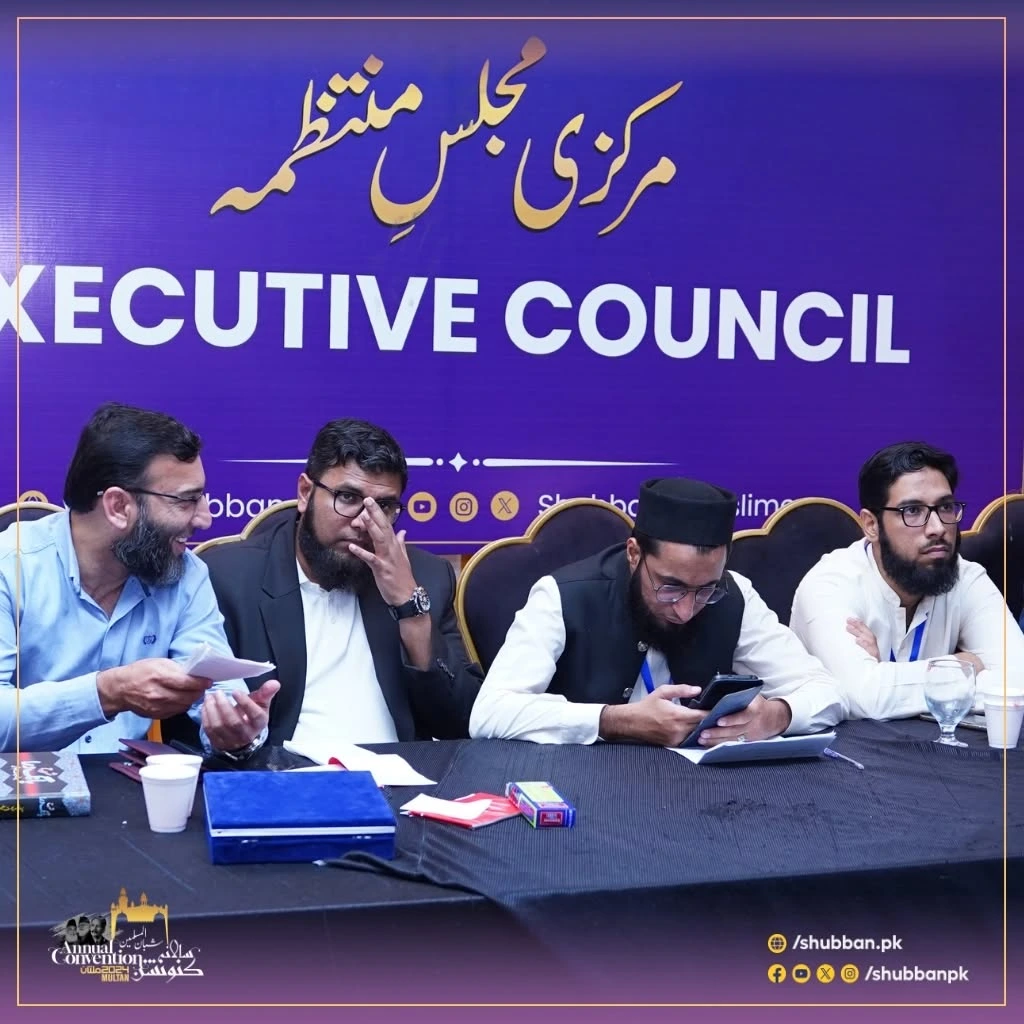
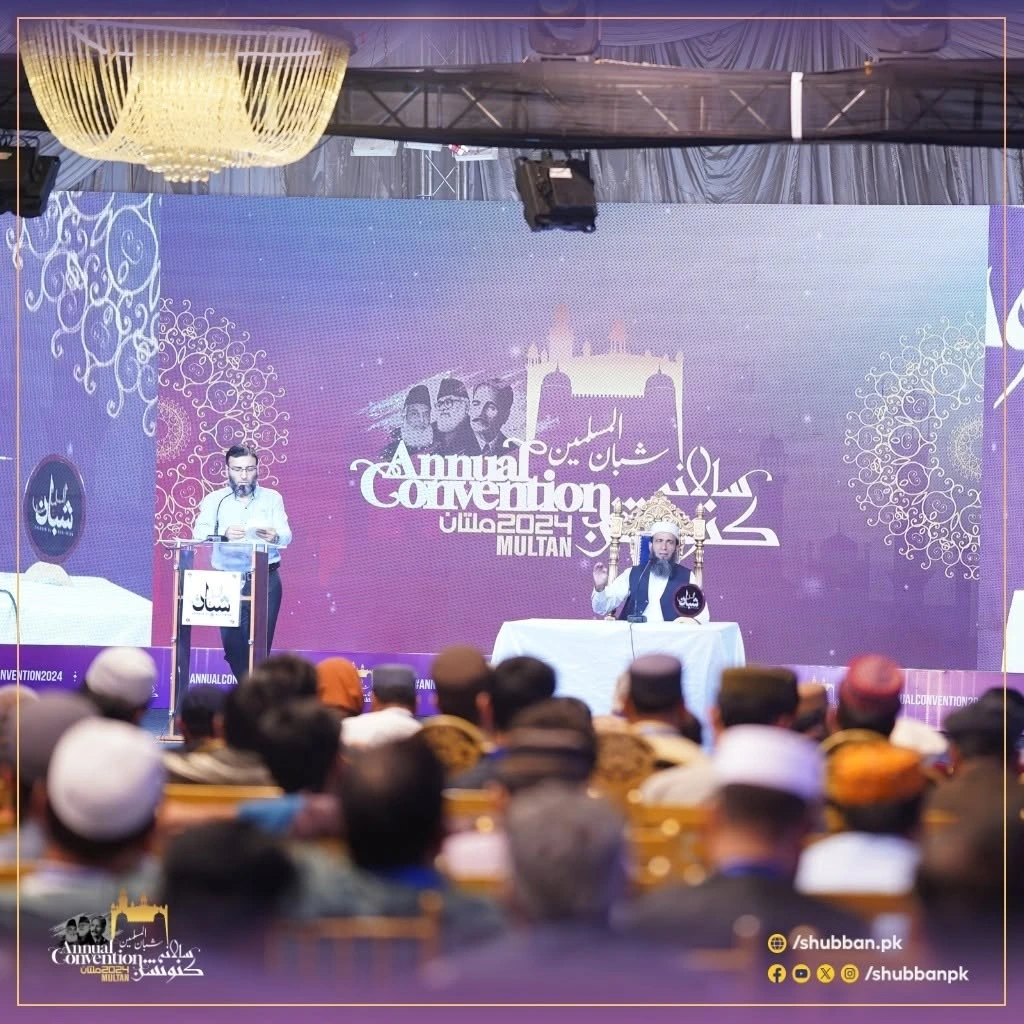
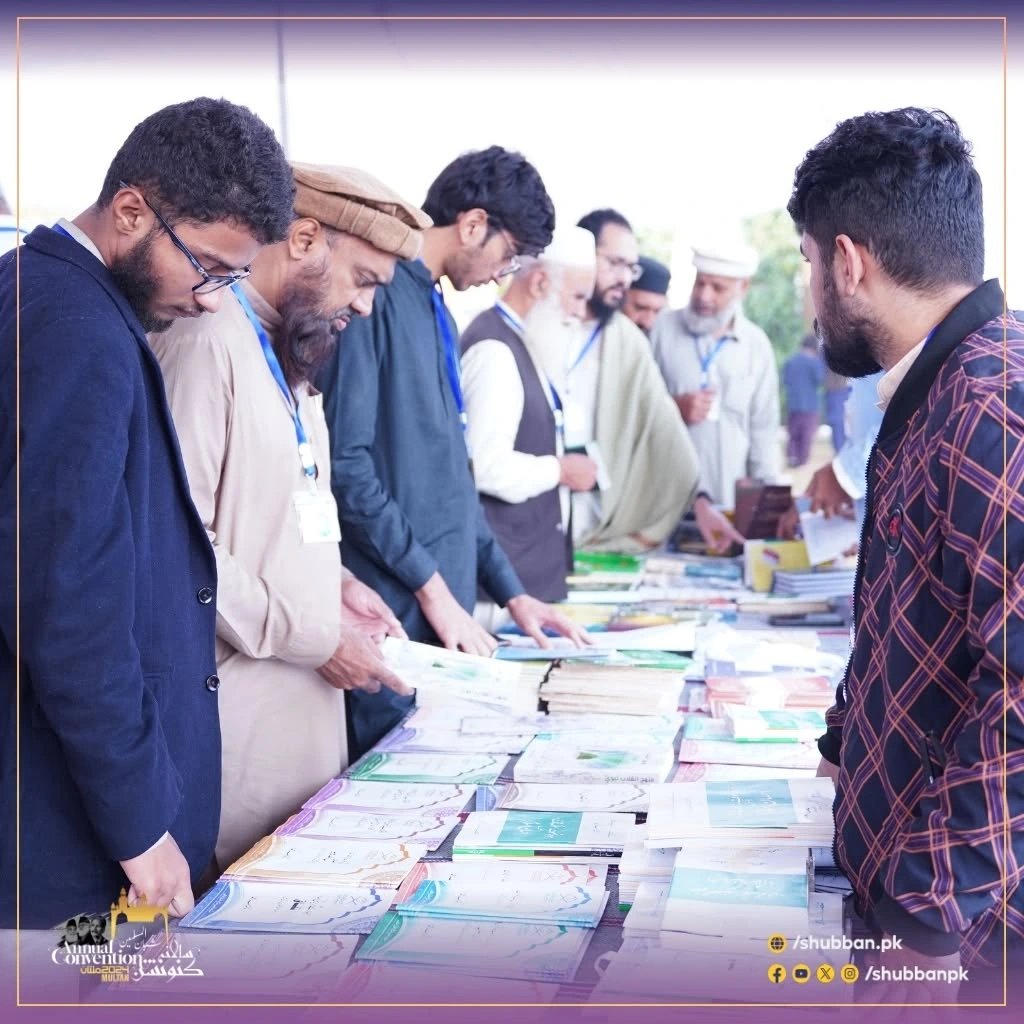
The 2024 Annual Convention of Shubban ul Muslimeen, held in Multan, was the continuation of the previous convention that focused on understanding the ideology through “Qur’anic perspective”, whereas this convention laid foundations on the basis of “Prophetic Mission“, emphasizing its relevance to the future of humanity. Through sessions on Quranic foundations, the methodology of the Prophetic revolution, and the history of Islamic revolutionary movements, it explored the challenges and responsibilities of carrying forward this mission. A key discussion examined the connection between the completion of the Prophetic mission ﷺ and the future direction of the world. The convention combined ideological depth with spiritual reflection, that reaffirmed Islam as a complete and practical solution for mankind.
Convention 2023
The 4th Annual Convention of Shubban ul Muslimeen, held in Lahore under the theme of understanding global events through the light of the Quran and Ahadith, brought together leading scholars and speakers, including Dr. Zakir Naik, Ameer Tehreek e islami-Dr Hafiz Muhammad Zahid ahmed, Naib Ameer e Jamat e Islami-Dr Fareed Paracha, and Hassan Ilyas from Al Mawrid, where he represented counter narrative of Ghamidi School of Thought. Through discussions on key Qur’anic concepts, using the scholarly work of Abul A’la Maududi as a foundation, the sessions explored the concepts of Ilah, Rabb, Deen, and Ibadah. In addition, a critical response to Maududi’s Qur’an Ki Chaar Bunyadi Istalahain was presented. Ultimately, Shubban ul Muslimeen challenged the central arguments proposed in the work. While providing framework for global affairs, It explored questions surrounding Pakistan’s ideological identity and its relationship with Western influence, and concluded that Pakistan would become the prevailing global ideology in the future.
Convention 2022
The 2022 Annual Convention of Shubban ul Muslimeen, held in Rawalakot, Azad Kashmir, affirmed the movement’s ideological rather than national bond. It covered Islam’s political, economic, and social systems, the 400 year ideological history of the Subcontinent, and the issues that Muslims in Kashmir and Afghanistan are facing, it became the most comprehensive convention in the organisation’s history up to that point. The gathering provided basis for understanding of Islamic social thought and the struggle for Iqamat-e-Deen. By extending its message to Azad Kashmir, the convention set a new benchmark for Shubban’s annual gatherings in both scale and ideological depth.
Convention 2021
The 2021 Annual Convention of Shubban ul Muslimeen examined Islam as a comprehensive civilisational alternative, addressing capitalism, Islam’s social order, and the struggle for Iqamat-e-Deen. It reviewed the legacy of Islamic social thought in the Subcontinent and outlined the qualities required of its workers. The convention also provided a framework for movement building, that distinguished between da’wah, mass mobilisation, and direct action. The convention was grounded in discussions on faith, servitude to Allah, and the objectives of da’wah, it laid the intellectual and organisational foundations for future conventions.
Inaugural Meeting
The Inaugural meeting (Taseesi Ijlaas) of Shubban ul Muslimeen was held in Multan in 2020, marking the formal birth of the movement and laid down its complete ideological and organisational foundation. Khalid Mehmood Abbasi presented the historical background of the movement, outlined the features of a modern Islamic welfare state, and defined the mission that Shubban ul Muslimeen would carry forward. Distinguished scholars including Naveed Abbasi, Dr. Imran Bukhari, Mufti Ameen Swati, and Kaiwan Anwar addressed critical foundational questions, such as obligations of collective organisation, methodology of the Prophetic revolution, self purification (Tazkiya e Nafs), and the struggle for Iqamat e Deen. The session also boldly engaged with principled disagreements with the methodologies of other Islamic organisations, presenting Shubban ul Muslimeen as the rightful continuation of a 400 year legacy of the Islamic revolutionary thought in the Subcontinent, which defined its distinct identity, and set it apart from all contemporary movements.